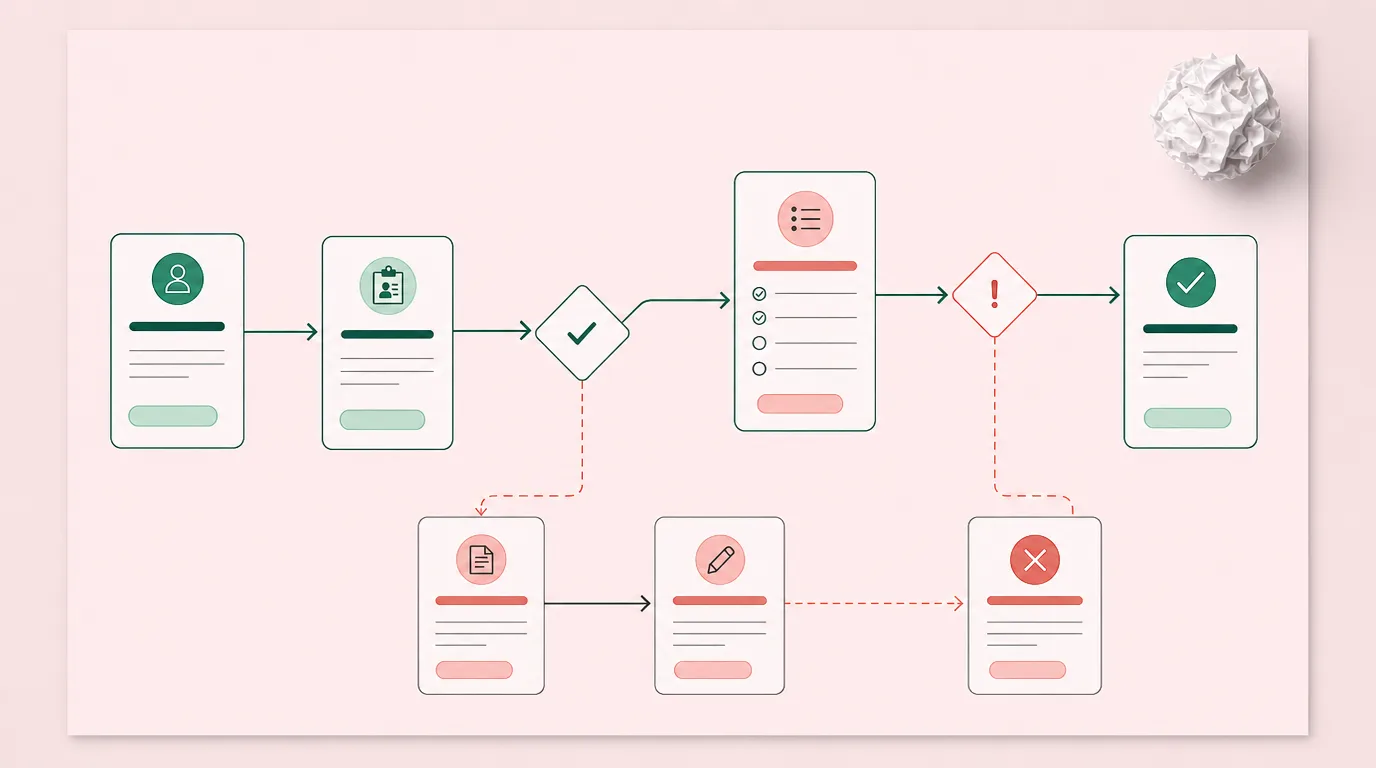
Structuring a financial advisory firm is about more than choosing a business model or hiring support staff. It is about building a practice that can consistently acquire clients, serve them well, document advice, manage compliance, and keep operations moving without everything depending on the advisor's memory.
For many independent advisors, growth creates complexity. Early on, a spreadsheet, inbox, calendar, and a few familiar routines may feel manageable. But as the book grows, so does the volume of follow-ups, annual reviews, client documents, applications, service requests, and compliance tasks.
That is why how to structure your financial advisory firm should be treated as an operating decision. The right structure gives your advisory business a repeatable way to win clients, onboard them, deliver advice, manage cases, and stay organized as the practice scales.
What Does It Mean to Structure a Financial Advisory Firm?
A structured advisory firm has clear systems for how work gets done. It defines who owns each part of the client journey, how information is collected, where documents are stored, how follow-ups are assigned, and how client activity is tracked.
At a practical level, your structure should answer four questions:
- Who is your ideal client?
- What services and advice experience do they receive?
- Who is responsible for each stage of the relationship?
- What system keeps the work visible?
Without these answers, growth often creates more admin instead of more freedom. With them, the firm can delegate work, standardize service, reduce missed tasks, and create a better experience for both clients and the team.
Stop drowning in administrative tasks
Let Laylah transform your chaotic operations into repeatable success.
The Core Functions Every Advisory Firm Needs
Every advisory practice has several business functions running at the same time. Even a solo advisor needs a structure for business development, onboarding, advice delivery, case management, compliance, and client service.
Business Development and Client Acquisition
Client acquisition should be more than a contact list. A structured firm needs a process for tracking referrals, prospects, discovery calls, follow-ups, and next steps.
A practical acquisition system includes:
- Lead source tracking
- Prospect qualification
- Discovery meeting workflows
- Follow-up tasks and reminders
- Pipeline visibility
- Handoff from prospect to client onboarding
This is where CRM discipline matters. The goal is not simply to store names. The goal is to make every opportunity visible and actionable.
Laylah supports this through centralized contact management and integrations that help connect email, calendar activity, marketing tools, and client records. For advisory teams, this keeps business development from becoming scattered across inboxes and disconnected spreadsheets.
Client Onboarding and Advice Delivery
The client journey should be consistent, even when the advice is personalized. A strong onboarding structure helps the firm collect the right information, document the client's needs, prepare recommendations, and move implementation forward.
A typical client journey may include:
- Prospect inquiry or referral received
- Discovery meeting booked
- Client data collected securely
- Financial needs analysis completed
- Recommendations prepared and documented
- Application, transfer, or implementation case opened
- Documents collected and stored
- Follow-up tasks assigned
- Annual review scheduled
Laylah's Financial Needs Analysis tools support this structure by keeping analysis connected to the client record. The platform supports life insurance, disability, critical illness, and retirement analysis, helping advisors reduce double entry while keeping recommendations and documentation in one place.
Case Management and Daily Operations
A growing advisory firm needs a clear way to manage open client work. Applications, policy changes, transfers, renewals, reviews, and service requests should not be tracked only through inboxes or informal notes.
Case management gives each piece of work a status, owner, due date, and history. This makes it easier for advisors, assistants, and operations staff to see what is waiting, what is stuck, and what needs attention next.
Laylah's case management features are built for advisory workflows such as insurance applications, investment transfers, annual reviews, policy renewals, and more. This helps teams move from reactive task handling to a more organized operating rhythm.
Compliance and Recordkeeping
Compliance should be built into daily operations, not handled after the fact. In a structured financial advisory firm, recommendations, communications, documents, and client updates should be easy to trace.
A practical compliance structure includes:
- Standardized client data collection
- Secure document exchange
- Timestamped activity history
- Documented recommendations
- Clear follow-up ownership
- Regular review cycles
Laylah supports compliance through audit trails, traceability, secure communication, archived activity, Canadian hosting, and documentation connected to the client record. This helps advisors create records as work happens rather than trying to reconstruct activity later.
How to Build the Right Structure for Your Firm
Once you know the core functions, the next step is turning them into a practical operating model. Start simple, then refine as the firm grows.
Define Roles Before You Hire
Many firms wait too long to define roles. As a result, the advisor, assistant, associate, and operations support all become responsible for everything. That may feel flexible, but it creates confusion.
Instead, define the roles your firm needs before every seat is filled. Common roles include lead advisor, associate advisor, client service associate, operations manager, compliance lead, and marketing coordinator.
Even if one person holds several roles today, role clarity helps the firm scale. It also makes delegation easier because everyone understands who owns follow-ups, documents, client communication, workflow updates, and compliance tasks.
Standardize Repeatable Workflows
A structured firm does not need to make every client experience identical. But the operational steps behind the advice should be consistent.
Start by building workflows for common activities such as:
- New client onboarding
- Insurance applications
- Policy renewals
- Investment transfers
- Annual reviews
- Financial needs analysis
- Compliance updates
- Client service requests
Each workflow should define stages, required documents, assigned owners, deadlines, and completion criteria. When these steps live inside a CRM or practice management platform, the team can see progress instead of chasing updates manually.
Centralize Client Data
Client data often becomes fragmented across spreadsheets, email threads, shared drives, and handwritten notes. That fragmentation slows the firm down and increases risk.
A structured advisory firm needs one source of truth for client profiles, documents, notes, tasks, communications, cases, review dates, and analysis history.
Laylah is designed to help solve this problem by consolidating advisory workflows into one platform. Its integrations and data feeds help reduce manual entry and give teams a clearer view of client information across the practice.
Streamline every moving part of your business
Bring your whole practice together with Laylah's comprehensive platform.
How Laylah Helps Structure a Financial Advisory Firm
Laylah helps independent Canadian financial advisors create a more connected operating model. Instead of managing prospects in one tool, documents in another, cases in a spreadsheet, and compliance notes somewhere else, Laylah brings core advisory work into one place.
For firms trying to create better structure, Laylah can support:
- Client acquisition through contact management, integrations, follow-ups, and connected communication history
- Practice structure through cases, tasks, workflows, client records, and team visibility
- Advice delivery through built-in Financial Needs Analysis and synchronized client data
- Operations through centralized documents, notifications, task ownership, and status tracking
- Compliance through audit trails, timestamped activity, secure communication, and documented analysis
- Growth through data feeds, integrations, migration support, and scalable team plans
Turn Scattered Client Data Into One Operating System
Laylah centralizes client records, documents, tasks, communications, and case history so advisors can see the full relationship in one place. That structure reduces time spent searching across tools and helps teams make faster, better-informed decisions.
Make Advisory Workflows Easier to Manage
From applications and reviews to FNA work and service requests, Laylah gives each case a clearer status, owner, and next step. This helps advisory teams manage daily operations with more visibility and less dependence on memory.
Keep Compliance Connected to Daily Work
Laylah helps advisors document activity as work happens through audit trails, timestamped actions, secure communication, and centralized records. Instead of treating compliance as a separate task, firms can build it into the same workflows they already use.
The practical value is not just that Laylah has features. It is that those features match how advisory teams actually work. A structured advisory firm needs visibility, consistency, and confidence. Laylah gives advisors a platform for building that structure without having to create an internal system from scratch.
Streamline your entire independent Canadian advisory practice
Book your personalized Laylah demo today and build a structure that scales.