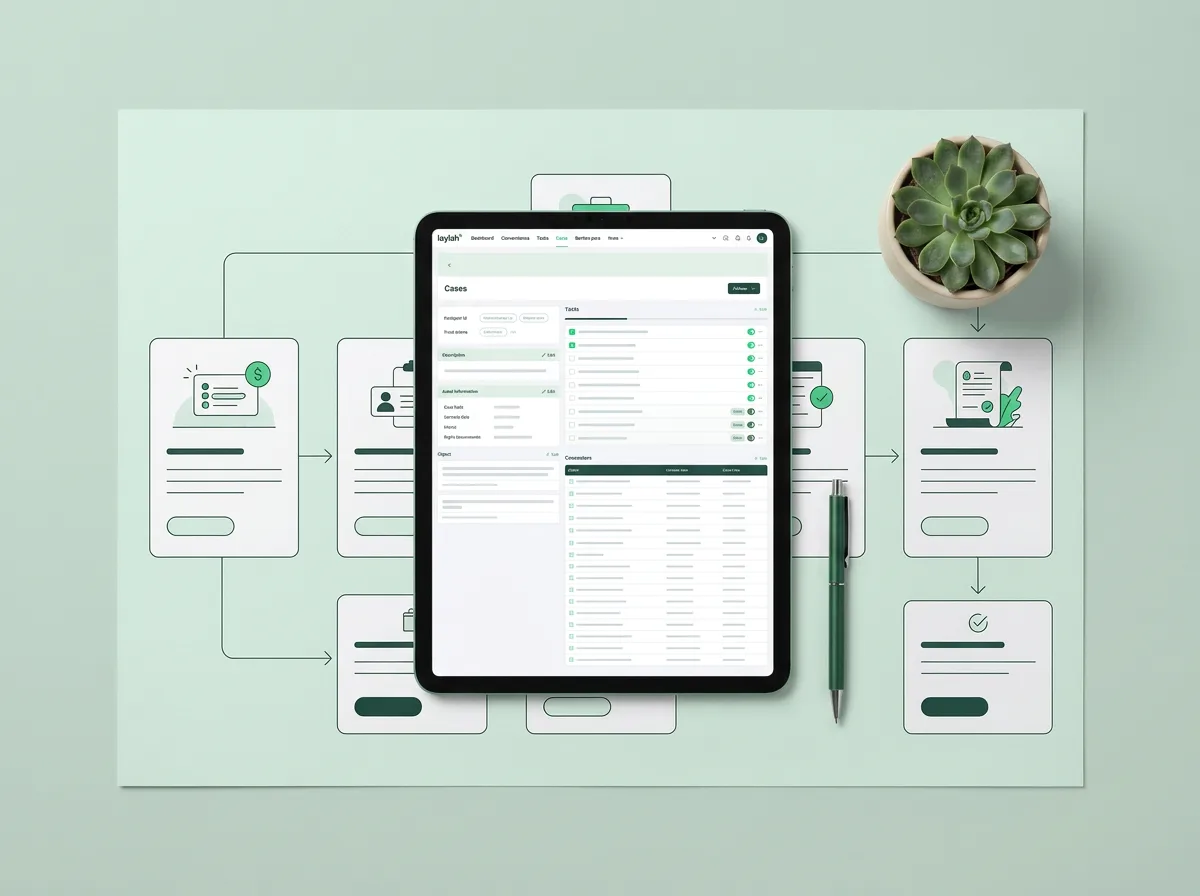
Going independent as a financial advisor is exciting for a reason. It gives you more control over your client relationships, your service model, your brand, and the direction of your business. It can also be one of the biggest operational shifts in your career.
At a larger firm, many of the systems around you are already in place. Compliance processes exist. Client data lives somewhere, even if imperfectly. Reporting, collaboration, and workflows may feel rigid, but they are usually there. Once you go independent, you are no longer just the advisor. You also become responsible for how the practice runs behind the scenes.
That is where many transitions get harder than expected.
Going independent works best when freedom is matched by structure.
What Going Independent Really Means for Financial Advisors
For some advisors, independence means launching their own firm. For others, it means joining a more flexible platform, affiliating with an independent network, or moving away from a captive environment that limits how they work with clients.
Independent vs Captive, Employee, and Broker-Dealer Models
The biggest difference is not just compensation or branding. It is control.
A captive or employee model usually comes with tighter product, process, and operational constraints. An independent model gives you more say over how you serve clients, what systems you use, and how you build your business. That flexibility is valuable, but it also means you need to choose your own workflow, your own documentation habits, and your own operating model.
Independence is often a better fit for advisors who want to:
- Build a more personalized client experience
- Shape their own niche or planning philosophy
- Create long-term business equity
- Reduce dependence on scattered legacy systems
Why More Advisors are Considering Independence
Many advisors start exploring independence when they feel the gap between how they want to serve clients and how their current environment forces them to work.
That gap usually shows up in familiar ways: too much admin, fragmented data, disconnected tools, slow internal processes, and client information spread across inboxes, spreadsheets, portals, and notes. For advisors who want more ownership, those frustrations often become the push toward independence.
Take Control of Your Vision
The Biggest Differences You Need to Prepare For
The move itself is only part of the decision. What matters just as much is understanding what changes after you make it.
You Gain Control, But You Also Own Operations
As an independent financial advisor, you are responsible for more than planning and relationship management. You also need a clear operating system for your practice.
That includes onboarding, client follow-up, documentation, review cycles, tasks, renewals, and team coordination if you are not working solo. Without structure, independence can quickly feel like trading one type of friction for another.
A practical way to think about it is this:
- Your client service model needs to be clear.
- Your workflow needs to be repeatable.
- Your systems need to support visibility, not create more work.
Compliance, Documentation, and Client Experience Become Your System
This is one of the biggest shifts. In a larger organization, compliance can feel like a separate department. In an independent practice, compliance becomes part of how you work every day.
That means your notes, your follow-ups, your communication records, your document collection process, and your audit trail all matter. It is one reason many advisors look for built-in compliance for financial advisors instead of trying to stitch together separate tools later.
A strong independent practice does not treat compliance as an afterthought. It builds compliant habits directly into daily workflow.
Your Tech Stack Matters More Than You Think
Many advisors underestimate how much their technology choices shape the quality of the transition. The right stack reduces admin. The wrong one creates duplication, delays, and visibility problems.
When evaluating software, do not just ask whether it has features. Ask whether it reduces operational drag.
A useful starting list includes:
- A CRM for independent financial advisors with centralized client records
- Secure communication and document exchange
- Workflow and data feeds and integrations
- Planning tools that connect directly to your client record
- Systems that support compliance tracking without extra manual work
A Practical Plan for Going Independent as a Financial Advisor
Independence becomes more manageable when you stop treating it like one giant leap and start treating it like a sequence of decisions.
Start With Your Business Model and Client Niche
Before choosing tools or branding, get clear on what kind of independent advisor you want to be. Are you building a solo planning practice, an insurance-focused advisory business, a growing team, or a hybrid model?
Your niche, client type, and revenue model will shape nearly everything else, from service design to workflows to technology decisions. This is also the right time to define what kind of experience you want clients to have.
Build Your Transition Roadmap Before You Resign
A rushed move creates avoidable risk. A planned move gives you leverage.
Your transition roadmap should cover client communication, documentation, process design, data migration, compliance requirements, and the order in which your systems go live. If you know you will be replacing legacy software, planning CRM migration support early can save time and reduce disruption.
You also need a clear answer to one question: what has to be true on day one for the practice to run smoothly?
Choose Tools That Reduce Admin From Day One
This is where many advisors make an expensive mistake. They assemble too many disconnected tools, then discover they have recreated the same fragmentation they were trying to leave behind.
A better approach is to prioritize fewer systems that do more of the work together. For example, if financial planning conversations are central to your process, using a financial needs analysis tool connected to the client record is very different from running planning workflows in one place and storing everything somewhere else.
See What an Independent Advisory Workflow Can Look Like
Common Challenges New Independent Financial Advisors Face, and How to Overcome Them
No transition is frictionless. The goal is not to avoid every challenge. It is to make sure the predictable ones do not slow down your growth.
Client Retention and Trust
Clients do not just evaluate the move itself. They evaluate how clearly and confidently it is handled.
Your communication should explain what is changing, what is staying the same, and how the move benefits the client experience. Consistency matters. So does responsiveness.
The easier it is to keep communication, documents, and client tasks organized, the easier it is to deliver confidence during the transition.
Compliance Pressure
Independent advisors often feel more compliance pressure because there is less room to hide behind firm infrastructure. That is why recordkeeping, timestamped activity, and organized communication matter so much.
You do not overcome compliance pressure by doing more admin manually. You overcome it by using systems that make the right process easier to follow. In practice, that can mean clearer checklists, structured workflows, secure client messaging, and better visibility across each case.
Admin Overload and Disconnected Systems
This is the challenge that quietly creates the most drag. When information lives everywhere, every client request takes longer, every follow-up is harder to track, and every process depends too much on memory.
That is exactly why case management for advisory firms matters. And it is why many teams adopt advisor case management instead of managing work through a patchwork of inboxes, spreadsheets, and shared drives.
Avoid These Common Challenges
How Laylah Helps Independent Advisors Build a More Controlled Practice
Laylah is built for independent financial advisors in Canada who want more control without adding complexity. It centralizes client data, workflows, and compliance into one system so you can run your practice with clarity, consistency, and confidence from day one.
Core Features That Support Independent Advisors
- Centralized client data that keeps every record, note, and interaction in one place
- Case management to organize work by stage, responsibility, and progress
- Built-in compliance tracking with audit trails and secure record retention
- Secure client portal for communication, document exchange, and collaboration
- Integrated financial needs analysis tools within your workflow
- Data integrations that reduce manual entry and improve accuracy
Why Laylah Is Ideal for Advisors Getting Started
Designed for Simplicity from Day One
Laylah reduces the learning curve by combining essential tools into one platform. Instead of juggling multiple systems, new independent advisors can quickly build structured workflows without needing complex setup or ongoing manual coordination.
Built-In Compliance Without Extra Work
Compliance is embedded directly into everyday activity, making it easier to stay organized and audit-ready. Advisors do not need separate tracking systems, which lowers risk and helps maintain consistent documentation as the practice grows.
Scales as Your Practice Grows
Laylah supports both solo advisors and growing teams by keeping processes consistent. As client volume increases, workflows, data organization, and communication remain structured, allowing you to scale without creating operational chaos.
Start Your Independent Journey with Laylah