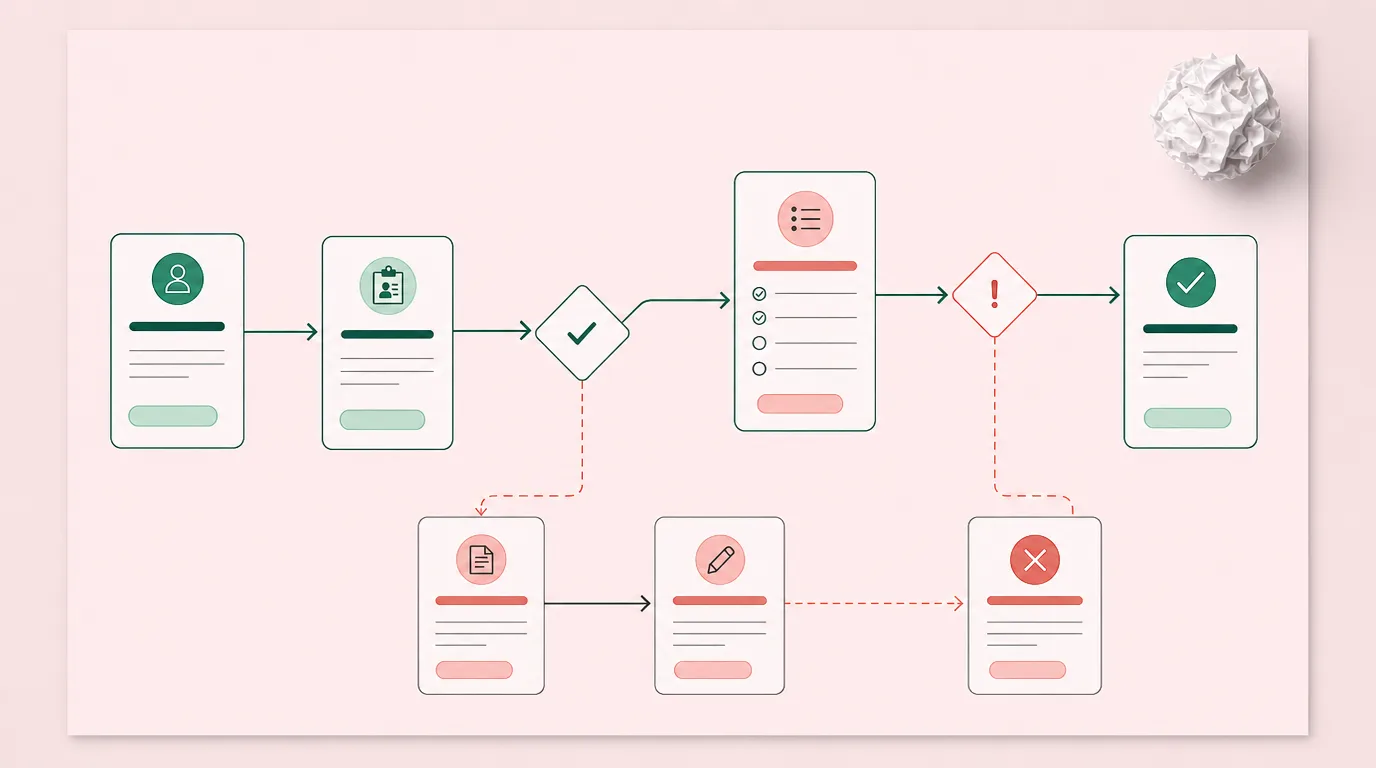
Financial advisor duties cover much more than choosing investments or meeting clients once a year. Today's advisor is part strategist, part educator, part relationship manager, part compliance recordkeeper, and part business operator. That is especially true for independent advisors, where the same person or small team may be responsible for all aspects of daily practice management.
The core of the role is still personal advice. In Canada, financial advisors are expected to understand each client's circumstances, goals, risk tolerance, investment needs, and financial priorities before making recommendations. Canadian regulatory expectations also emphasize clear documentation, conflict management, suitability, privacy, and ongoing client communication. In practical terms, that means strong advice depends on both professional judgment and the systems advisors use to keep client information, recommendations, follow-ups, and records organized.
But knowing the duties is only half the challenge. The harder part is staying organized enough to perform those duties consistently. That is where purpose-built tools like Laylah can help.
What Are Financial Advisor Duties?
Financial advisor duties are the recurring responsibilities involved in helping clients make informed financial decisions, implement plans, manage risk, and stay on track over time. In a modern advisory practice, those duties include operational work that clients may never see, such as:
- Keeping client data accurate and centralized
- Tracking tasks, cases, renewals, and follow-ups
- Maintaining compliance notes and records
- Managing secure document collection and exchange
- Coordinating with carriers, back offices, and team members
- Updating workflows as client needs change
That is why many advisors now think of their job in two connected layers: client advice and practice operations. Strong advice depends on strong systems.
The Main Financial Advisor Duties in a Modern Practice
Understanding Each Client's Financial Situation
The first major duty is discovery. Advisors need to understand a client's income, expenses, assets, liabilities, family situation, goals, risk tolerance, and more.
This is not just a one-time intake form. Client information changes constantly. A promotion, new child, home purchase, or market event can all affect the client's plan.
A strong discovery process usually includes:
- Collecting qualitative information, such as goals, values, concerns, and family priorities.
- Collecting quantitative information, such as income, assets, debts, policies, and investment accounts.
- Identifying gaps, inconsistencies, and missing details.
- Recording assumptions and documenting the client's current position.
- Updating the file whenever circumstances change.
Laylah helps make this easier by centralizing client information inside one advisor-focused platform. Instead of searching through spreadsheets, inboxes, PDFs, and carrier portals, advisors can keep client data, cases, documents, and activity in one connected system through Laylah's CRM and practice management features.
Financial Planning and Recommendation Duties
Another core part of financial advisor duties is turning information into advice. Advisors analyze the client's current path, compare alternatives, and develop recommendations based on the client's objectives and constraints.
Depending on the advisor's licensing, credentials, and scope of practice, this may include:
- Retirement planning and income projections
- Investment allocation and portfolio reviews
- Insurance planning for life, disability, and critical illness needs
- Cash flow, debt, and savings strategies
- Estate planning conversations and professional coordination
- Tax planning considerations, where appropriate
- Business owner planning and succession needs
This is where structured tools can create a major advantage. Laylah includes an integrated financial needs analysis tool for life insurance, disability, critical illness, and retirement analysis. That allows advisors to run planning workflows without separating the client file from the analysis. The more connected the planning process is, the easier it becomes to explain recommendations, retain context, and follow up later.
The best advisory tools do not replace judgment. They give advisors a clearer operating system for applying it.
Client Communication and Education Duties
Financial advice is only useful if clients understand it. One of the most important financial advisor duties is translating complex financial choices into clear, practical conversations.
This includes explaining trade-offs, comparing options, discussing risk, answering questions, and helping clients make decisions with confidence. It also includes ongoing communication after the recommendation, especially when a client needs to submit documents, complete forms, review policy details, or approve next steps.
Poor communication often leads to delays. A missing signature, unanswered email, or misplaced document can slow down an entire case. That is why secure client collaboration matters.
Laylah's Client Space gives advisors a protected environment for communication and client collaboration. Instead of letting sensitive information drift across unstructured email threads, advisors can keep the advisor-client relationship connected to the client record.
Implementation and Case Management Duties
Recommendations are not the finish line. Advisors also need to help clients implement the agreed strategy. For insurance and financial planning practices, this may involve applications, underwriting, document collection, and multiple follow-up points.
This is one of the easiest areas for operational friction to appear. A client may think their advisor is simply "handling it," but behind the scenes, the team may be coordinating several steps across multiple systems.
Effective implementation requires:
- Clear ownership of every task.
- Visible case status and next steps.
- Due dates and reminders.
- Document tracking.
- Communication history.
- Consistent follow-up with clients and third parties.
Laylah's case management for advisory firms is designed around this reality. It organizes work by client, case, stage, and responsibility, helping advisors and support staff see what needs attention before something falls through the cracks.
Stop digging through scattered spreadsheets
Centralize your client discovery, cases, and follow-ups with Laylah.
Compliance and Documentation Duties
Compliance isn't separate from client service; it proves recommendations are thoughtful and records are preserved. However, integrating required documentation into daily workflows without manual admin is challenging for Canadian advisors.
Laylah solves this with built-in compliance features that embed audit trails, automate data retention compliance, and guarantee Canadian data residency directly into your routine, transforming compliance from an after-the-fact scramble into a seamless part of your practice.
Relationship Management and Follow-Up Duties
A strong advisory business relies on long-term relationships, meaning duties extend far beyond the initial plan to include consistent follow-ups like annual reviews and life event check-ins. Generic CRMs fall short because advisors need workflows tailored to policies, compliance, and planning tasks.
Purpose-built for Canadian independent financial advisors, Laylah provides this advisor-specific structure with built-in workflow templates and document management, helping you maintain complete control over your daily practice.
Business Development and Client Acquisition Duties
Financial advisors are also responsible for growing the practice. The issue is that growth creates more operations. More clients mean more tasks, more documentation, more reviews, more service requests, and more cases in motion. Without the right systems, growth can make the practice feel less controlled.
Tools like Laylah help by giving advisors a clearer path from prospect to client to case to ongoing service. A connected CRM can help track where each opportunity stands, which follow-ups are overdue, and which client relationships need attention.
Operational Duties Behind the Scenes
Many financial advisor duties happen away from client meetings. These operational responsibilities determine whether the practice feels calm or chaotic.
They include:
- Updating client records after meetings
- Assigning tasks to team members
- Managing emails, calendars, documents, and notes
- Checking case progress
- Coordinating back-office and carrier information
- Preparing review meetings
- Tracking service requests
- Maintaining clean data
Laylah's integrations help connect advisor workflows with tools like Google, Outlook, Microsoft 365, carrier data, and back-office feeds. That reduces duplicate entry and gives teams more confidence that the information in the system reflects what is actually happening in the practice.
How the Right Tools Make Financial Advisor Duties Easier
The right technology should reduce friction, not add another login to the pile. For independent advisors, the best practice management tools usually do four things well.
They Centralize Client Data
When information is scattered across email, spreadsheets, notes, portals, and disconnected apps, advisors lose time and increase the risk of missing something important. Centralized client data makes it easier to prepare for meetings, answer questions, and understand the full relationship.
They Standardize Repeatable Workflows
Most advisory work follows predictable patterns, where routine processes from initial onboarding and applications to regular reviews and policy updates all involve repeatable steps. Utilizing workflow templates helps teams streamline these operational cycles to deliver a consistently high-quality client experience.
They Create Accountability
Tasks need owners, deadlines, and visibility. A good system shows what is waiting, what is stuck, and what is complete.
They Support Compliance as Work Happens
Advisors should not have to reconstruct the file later. Audit trails, notes, document retention, and activity history help build compliance into normal operations.
They Make Switching Manageable
A new system only helps if the transition is realistic. Laylah's CRM migration support is built around moving advisors from fragmented or legacy systems into a cleaner operating structure.
Transform your daily operations into a seamless routine
Upgrade to Laylah's powerful platform built for advisors.
When Should an Advisor Upgrade Their Tools?
Advisors often wait too long to improve their systems. A practice may feel "fine" until the team is buried in follow-ups, re-entering information, or spending too much time searching for client details.
It may be time to upgrade if:
- Client information lives in too many places.
- The team relies on memory to track important tasks.
- Compliance documentation is inconsistent.
- Cases stall because no one has clear visibility.
- Growth is creating more admin instead of more capacity.
- Clients are still sending sensitive documents through unstructured channels.
Laylah's pricing plans make it easier for advisors and teams to evaluate what level of practice management support fits their current stage.
Financial Advisor Duties Are Easier With Structure
Financial advisors carry a wide range of responsibilities: discovery, planning, recommendations, implementation, relationship management, compliance, and operations. The role is demanding because every client relationship has moving parts, and every moving part needs context.
The right tools make those duties easier by giving advisors one place to manage client data, cases, documents, communication, compliance, and workflows. For Canadian independent advisors, Laylah brings those elements together in a platform built around the way advisory practices actually work.
If your daily work feels more scattered than it should, the issue may not be effort. It may be structure.
Bring structure to your daily practice
See how Laylah helps advisors manage clients, tasks, compliance, and operations in one place.